U.S. Strikes on Iran’s Kharg Island Raise Global Energy Concerns
Tensions in the Middle East have intensified following reports that the United States carried out military strikes targeting facilities on Kharg Island, a critical hub for Iran’s oil exports. The development, first reported by Axios and later highlighted by Reuters, signals a potentially dangerous escalation with global economic implications.
What Happened on Kharg Island?
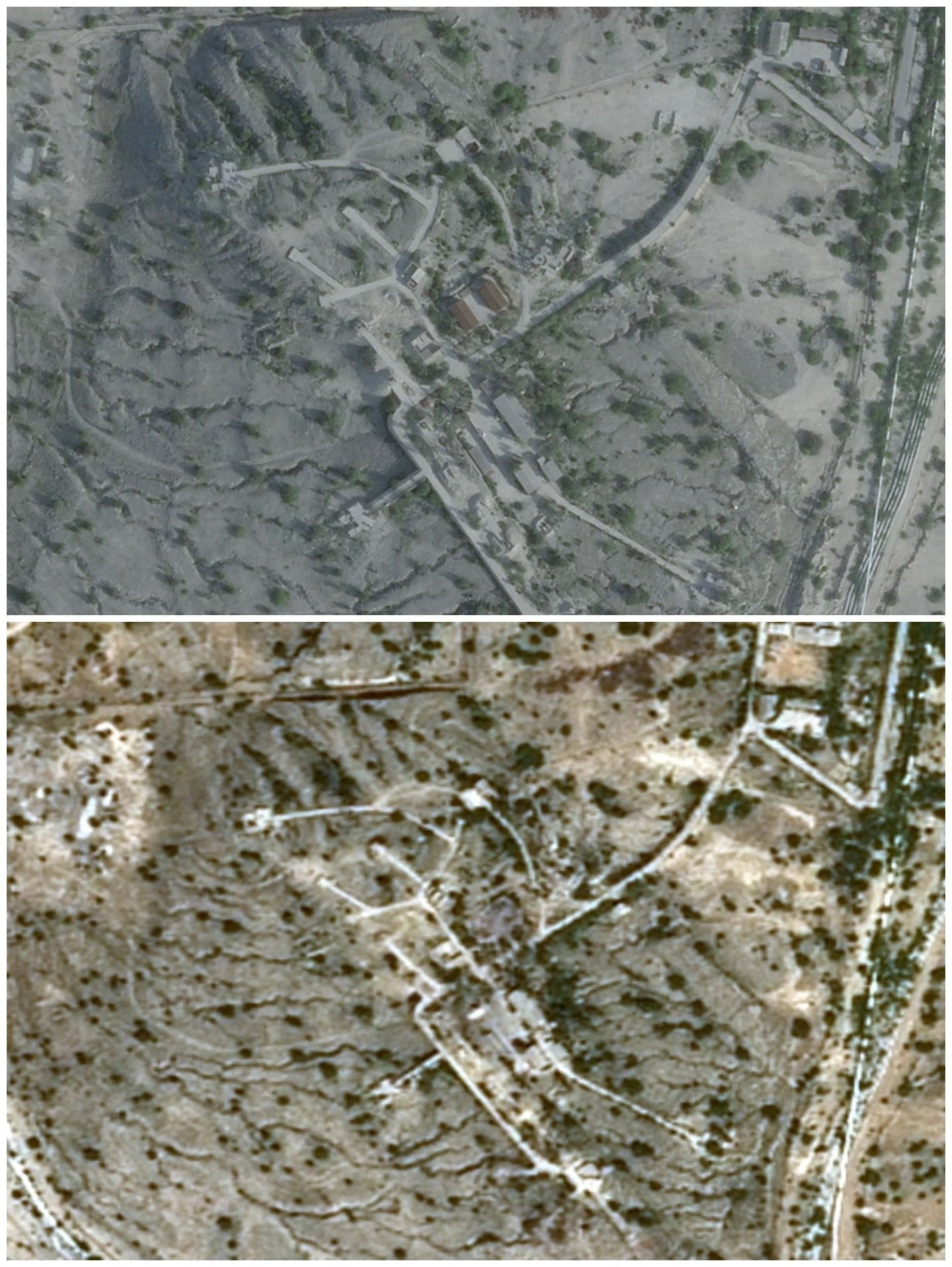
According to a senior U.S. official cited in reports, American forces targeted military-related infrastructure on Kharg Island, located in the Persian Gulf. While official confirmation and detailed assessments remain limited, early indications suggest that multiple sites of strategic importance were hit.
ALSO READ
Oil Prices Plunge Over 15% After Pakistan Brokers US-Iran Ceasefire
Kharg Island is not just any location—it serves as Iran’s primary oil export terminal, handling nearly 90% of the country’s crude oil shipments. As a result, any disruption to operations there immediately raises concerns about the global energy supply.
Why Kharg Island Matters So Much
Often described as the backbone of Iran’s oil economy, Kharg Island plays a central role in international energy markets. Its facilities include:
- Major oil storage terminals
- Export loading ports
- Key logistical infrastructure for crude shipments
Due to its importance, analysts often refer to it as the “crown jewel” of Iran’s energy sector.
A disruption at this site doesn’t just affect Iran—it can ripple across global markets, especially in regions dependent on Middle Eastern oil.
Rising Risks in the Strait of Hormuz
The reported strikes come at a time of already heightened tensions in the region, particularly around the Strait of Hormuz—one of the world’s most critical oil transit chokepoints.
Roughly 20% of the global oil supply passes through this narrow waterway. Any military escalation involving Iran raises fears of:
- Shipping disruptions
- Naval confrontations
- Temporary closure or restrictions in the Strait
Such scenarios could significantly impact global trade and fuel prices.
Immediate Impact on Oil Markets
Following the reports, global oil markets reacted quickly:
- Crude prices showed volatility
- Traders responded to fears of supply disruption
- Energy analysts warned of potential price spikes if tensions continue
Even the possibility of reduced output or transport delays can drive prices upward, especially when markets are already sensitive to geopolitical risks.
What Happens Next?
At this stage, the situation remains fluid. Key questions include:
- Will there be further military escalation?
- How will Iran respond?
- Will oil exports from Kharg Island be disrupted long-term?
International observers, governments, and energy markets are closely monitoring developments. Any prolonged instability could have far-reaching consequences—not just for the region, but for the global economy as a whole.
Final Thoughts
The reported strikes on Kharg Island highlight how closely geopolitics and energy markets are linked. Even a single event in a strategic location can send shockwaves through global supply chains.
As the situation evolves, the world’s attention remains fixed on the Middle East, where the balance between conflict and stability continues to shape the future of global energy.