Pakistan Emerges as Key Diplomatic Intermediary in US‑Iran Ceasefire
In a significant diplomatic development, Pakistan has assumed a central role in brokering a temporary ceasefire between the United States and Iran. The two‑week pause in hostilities follows intensive back‑channel negotiations that Islamabad facilitated, urging both Washington and Tehran to step back from escalation.
The announcement has drawn widespread attention across South Asia and the Middle East, with reactions ranging from surprise to skepticism. In India, where New Delhi has sought to cultivate a reputation as a neutral global mediator, analysts and strategic commentators expressed unexpected consternation at Pakistan’s prominent role in defusing tensions.
For years, India has projected itself as an emerging diplomatic actor on the world stage. Many observers in Indian strategic circles are now reassessing Pakistan’s sudden visibility on a major international security issue, particularly one involving the United States and Iran. Some commentators noted the irony of Islamabad taking on a peacemaking role at a moment when it has often been viewed primarily through the lens of regional rivalry with New Delhi.
Similarly, Israeli officials have viewed the development with caution. Jerusalem remains deeply concerned about any diplomatic process that could lessen international pressure on Tehran, especially without clear assurances regarding Iran’s regional policies and nuclear ambitions.
ALSO READ
Oil Prices Plunge Over 15% After Pakistan Brokers US-Iran Ceasefire
Despite these reservations, the ceasefire window is being seen by many diplomats and analysts as a crucial opportunity to transition from a temporary halt in hostilities to more structured negotiations. Pakistan has agreed to act as a diplomatic conduit, relaying messages between Washington and Tehran and coordinating—with discretion—with key regional partners to prevent further escalation.
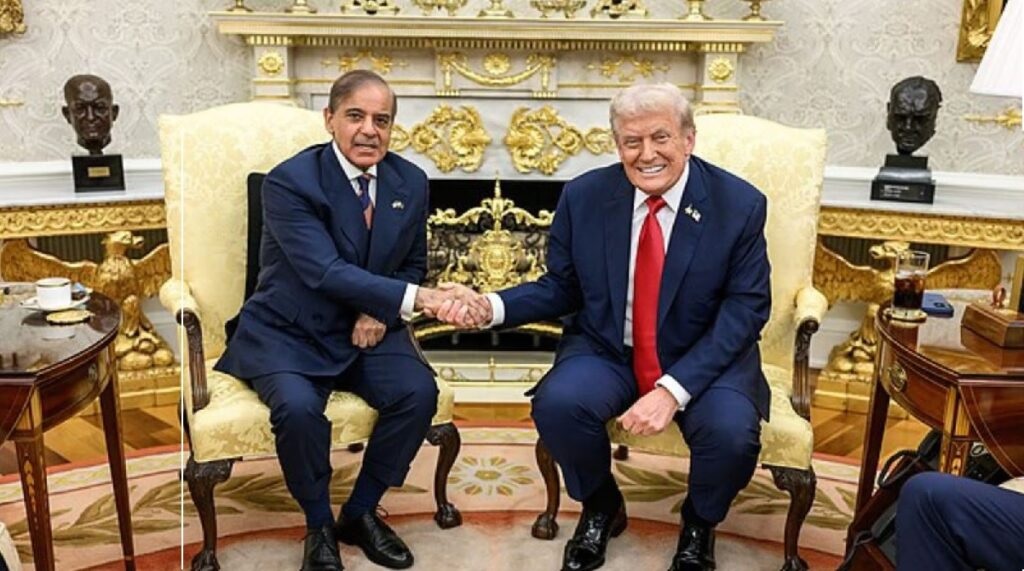
Islamabad’s unique positioning in these talks is the result of deliberate diplomatic groundwork. Over recent weeks, Foreign Minister Ishaq Dar and Prime Minister Shehbaz Sharif maintained open lines of communication with both Tehran and Washington, consistently advocating for restraint and dialogue. Pakistan’s historical ties with Gulf states, its working relationship with Iran, and ongoing security cooperation with the United States contributed to its ability to serve as an intermediary at a critical moment.
Financial markets responded quickly to news of the ceasefire, with global oil prices dipping below $100 per barrel shortly after de‑escalation measures were reported.
While the truce’s durability remains uncertain and distrust between the parties persists, Pakistan’s involvement represents a notable shift in its diplomatic profile. Whether this marks the beginning of a sustained mediation role or remains a one‑off intervention will depend on the success of ongoing negotiations and the willingness of all parties to engage in a more comprehensive peace process.