
Iran and the United States have exchanged written proposals, in-person negotiations in Islamabad
Delegations from Iran and the United States have exchanged written proposals following extended in-person negotiations in Islamabad, as diplomatic efforts continue during a fragile pause in the broader Middle East conflict.
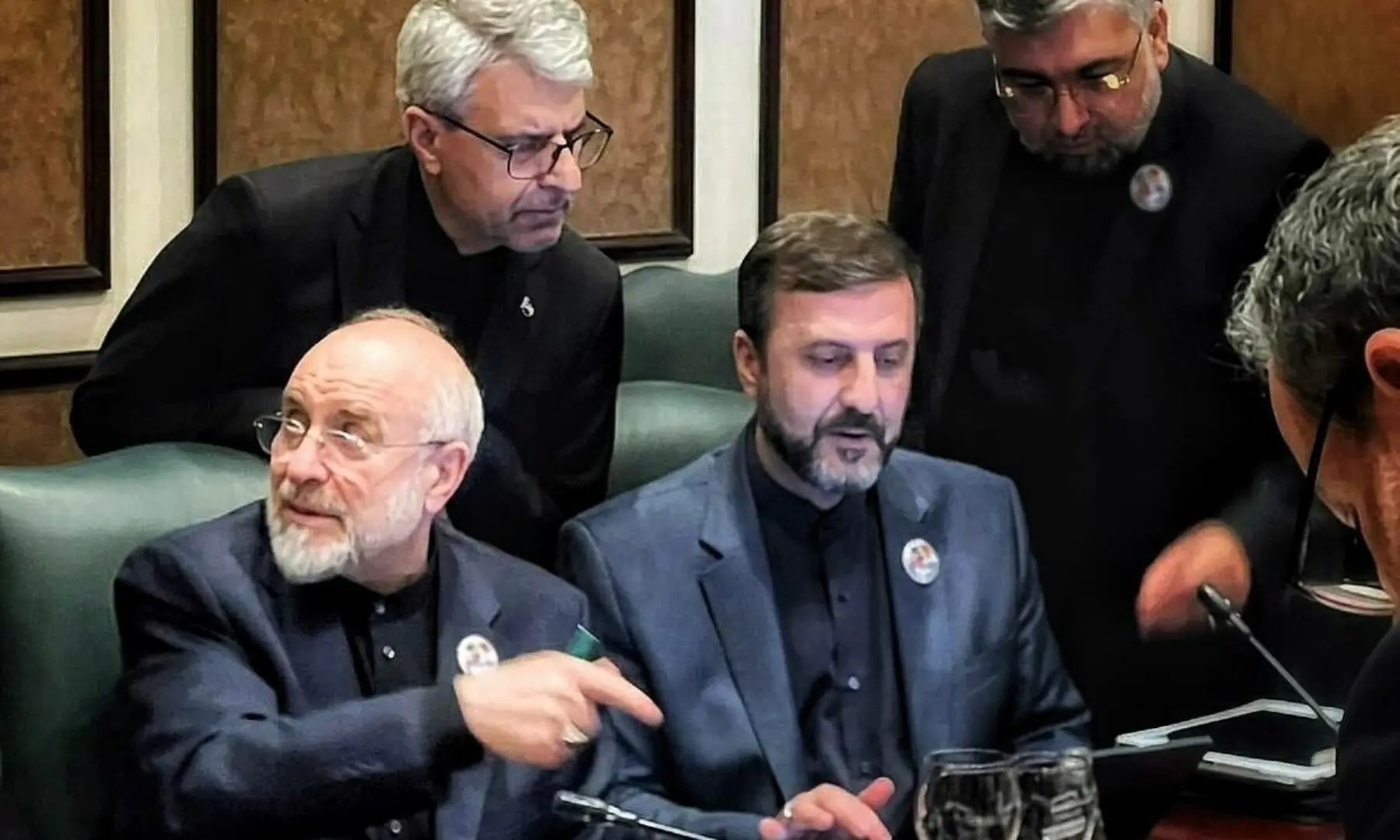
According to Iranian officials, the discussions have entered an “expert-level” phase, involving committees focused on economic, military, legal, and nuclear issues. Negotiations are ongoing at the Serena Hotel, where both sides are working to finalize technical details. Reports indicate that a third round of talks is already underway.
Prime Minister Muhammad Shehbaz Sharif held a meeting with the Iranian delegation led by the Honorable Speaker of the Iranian Consultative Assembly, Mr. Mohammad Bagher Ghalibaf at Islamabad Talks. 11 April, 2026. pic.twitter.com/Lt1hp5OycD
— Prime Minister’s Office (@PakPMO) April 11, 2026
Ceasefire Context
The talks come amid a two-week ceasefire that followed intense hostilities involving the US and Israel against Iran, which began on February 28. The conflict, which had wider regional and global economic implications, was temporarily halted on April 8 through mediation efforts led by Pakistan.
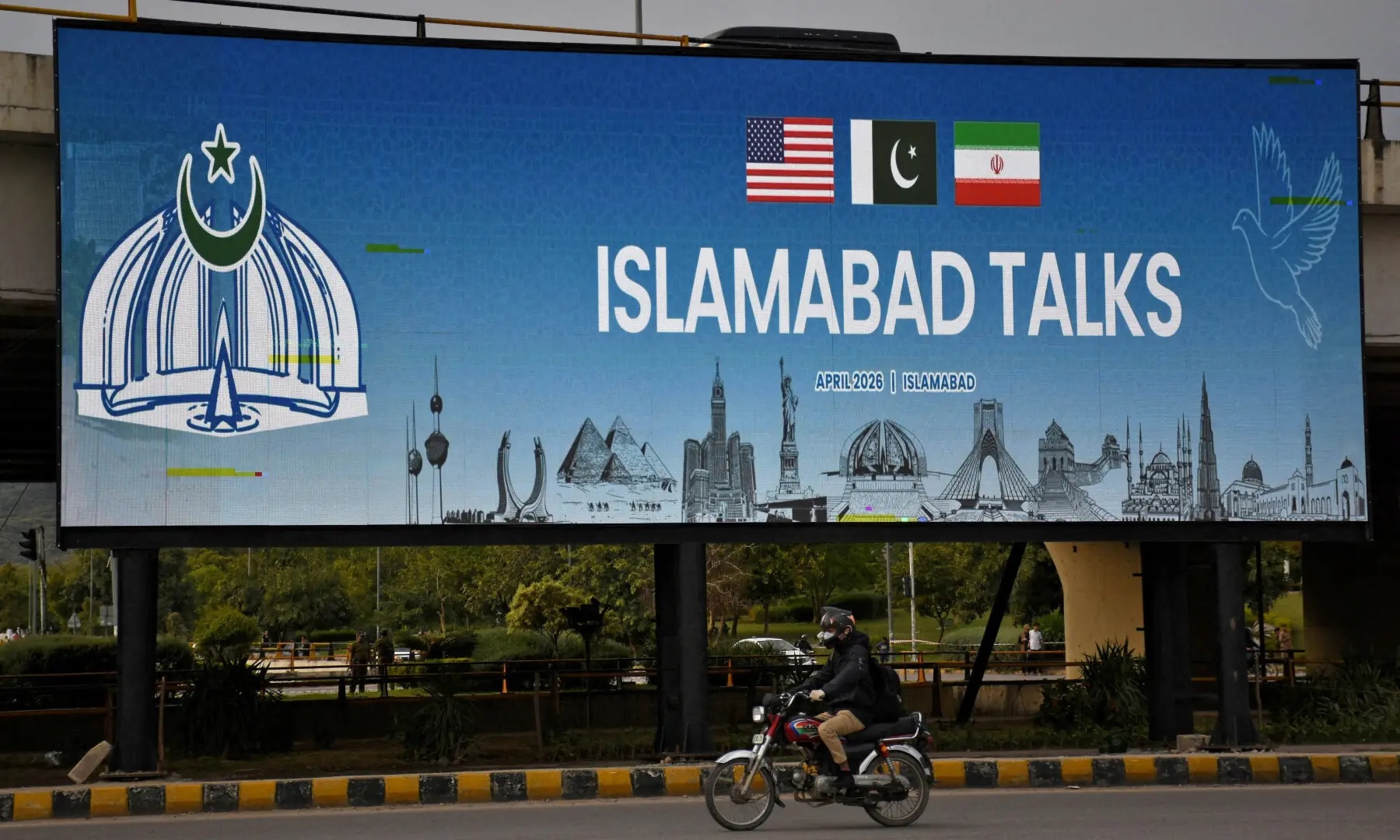
Islamabad was subsequently chosen as the venue for dialogue, with both delegations arriving in the Pakistani capital earlier this week.
Talks between Iran and the U.S. in Islamabad entered the expert-level stage as economic, military, legal, and nuclear committees joined. Negotiations continue at the Serena Hotel to finalize technical details. #IslamabadTalks #Iran #USA #Diplomacy https://t.co/mH00MmP3TX
— Government of the Islamic Republic of Iran (@Iran_GOV) April 11, 2026
Delegations and Leadership
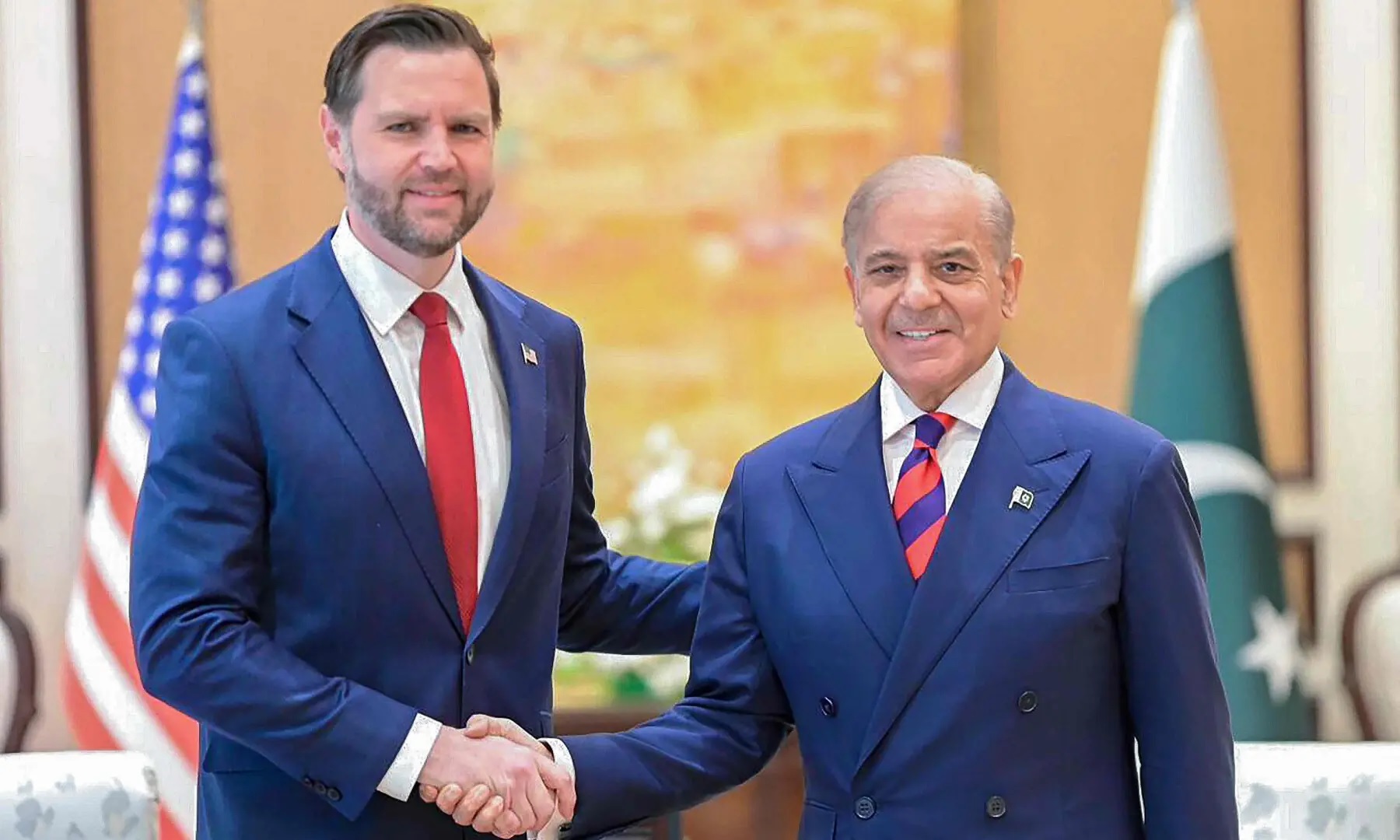
The US delegation is led by Vice President JD Vance, accompanied by senior officials including Jared Kushner and Middle East envoy Steve Witkoff.
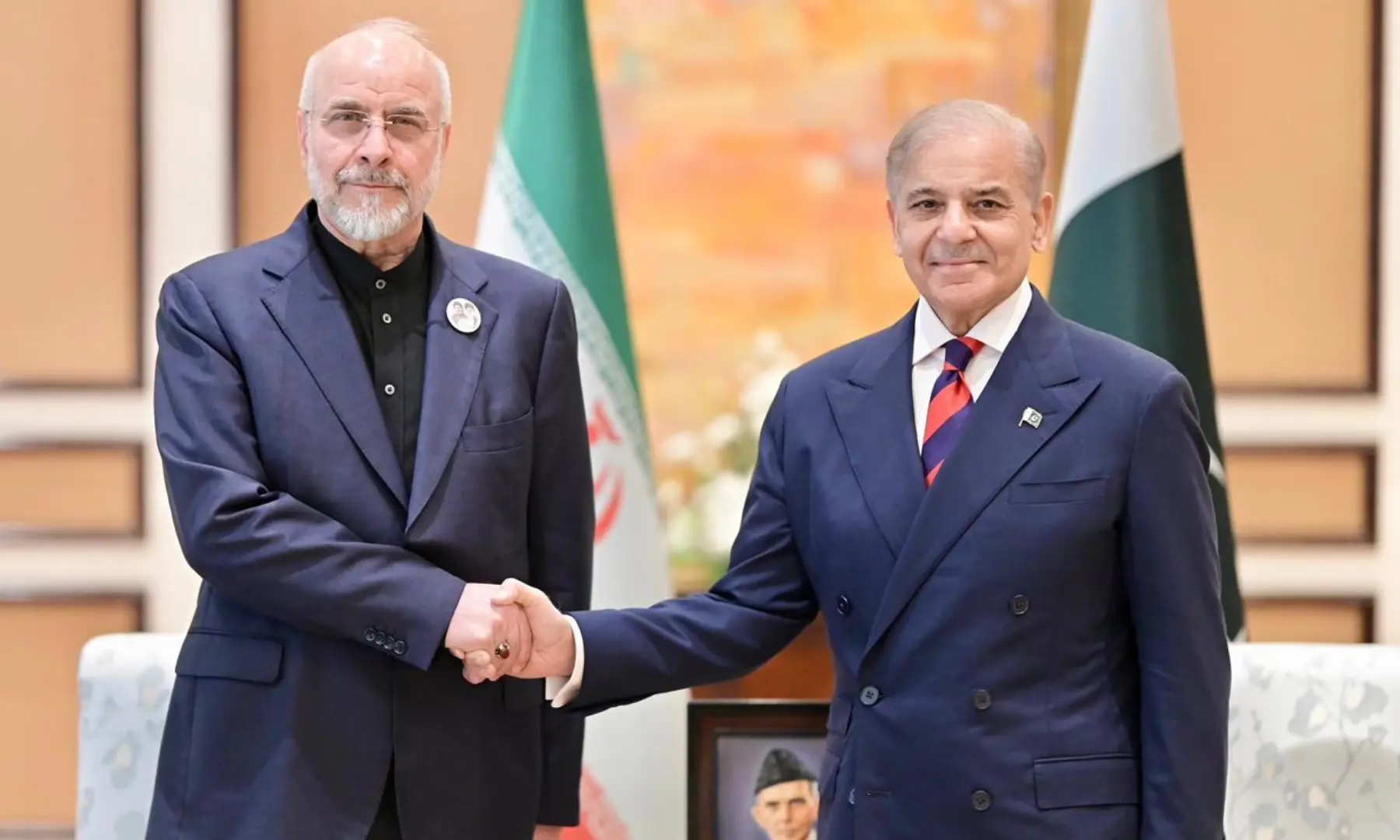
Iran’s delegation is headed by Parliament Speaker Mohammad Bagher Ghalibaf and includes Foreign Minister Abbas Araghchi, along with other senior figures.
Iranian President Masoud Pezeshkian stated that his country’s representatives remain fully committed to defending national interests, expressing cautious optimism about the negotiations.
Pakistan’s Mediation Role
Prime Minister Shehbaz Sharif held separate meetings with both delegations ahead of the talks. In discussions with Iranian officials, he reaffirmed Pakistan’s commitment to facilitating dialogue aimed at achieving regional and global stability.
In a separate meeting with the US delegation, Sharif expressed hope that the negotiations would lay the groundwork for lasting peace. Senior Pakistani officials, including Foreign Minister Ishaq Dar and Army Chief Asim Munir, were also present.
Key Challenges
Despite ongoing dialogue, several contentious issues remain unresolved. Iran had initially threatened to withdraw from the talks unless Israeli strikes in Lebanon ceased. Participation was ultimately secured after assurances linked to the ceasefire framework.
Tehran is also demanding the release of approximately $7 billion in frozen assets and insists that any ceasefire must apply across all regional fronts, including groups such as Hezbollah. The US and Israel, however, have viewed some of these areas as outside the scope of the current truce.
Negotiation Agenda
The talks are based on a 10-point proposal put forward by Iran and accepted by Washington as a general framework. However, major differences persist:
The US is seeking stricter limits on Iran’s nuclear program.
Iran is demanding full sanctions relief and recognition of its nuclear rights.
Disputes remain over missile capabilities, regional alliances, and maritime security, particularly in the Strait of Hormuz.
Outlook
While expectations for immediate breakthroughs remain low, officials suggest the talks could establish a pathway for continued engagement or yield limited agreements on de-escalation.
The Islamabad dialogue represents a rare diplomatic opening between the two sides. However, ongoing tensions in the region, disruptions to global shipping, and longstanding mistrust continue to complicate progress.
For now, the focus remains on sustaining dialogue and preventing a return to escalation.