Trump Delays Iran Deal Decision as Global Economic Concerns Increase
The United States and Iran appear to be moving closer to a new agreement that could extend the current ceasefire between the two countries. While negotiators have made progress during recent discussions, several important issues remain unresolved. These differences have prevented both sides from announcing a final deal, even though officials involved in the talks believe an agreement may be within reach.
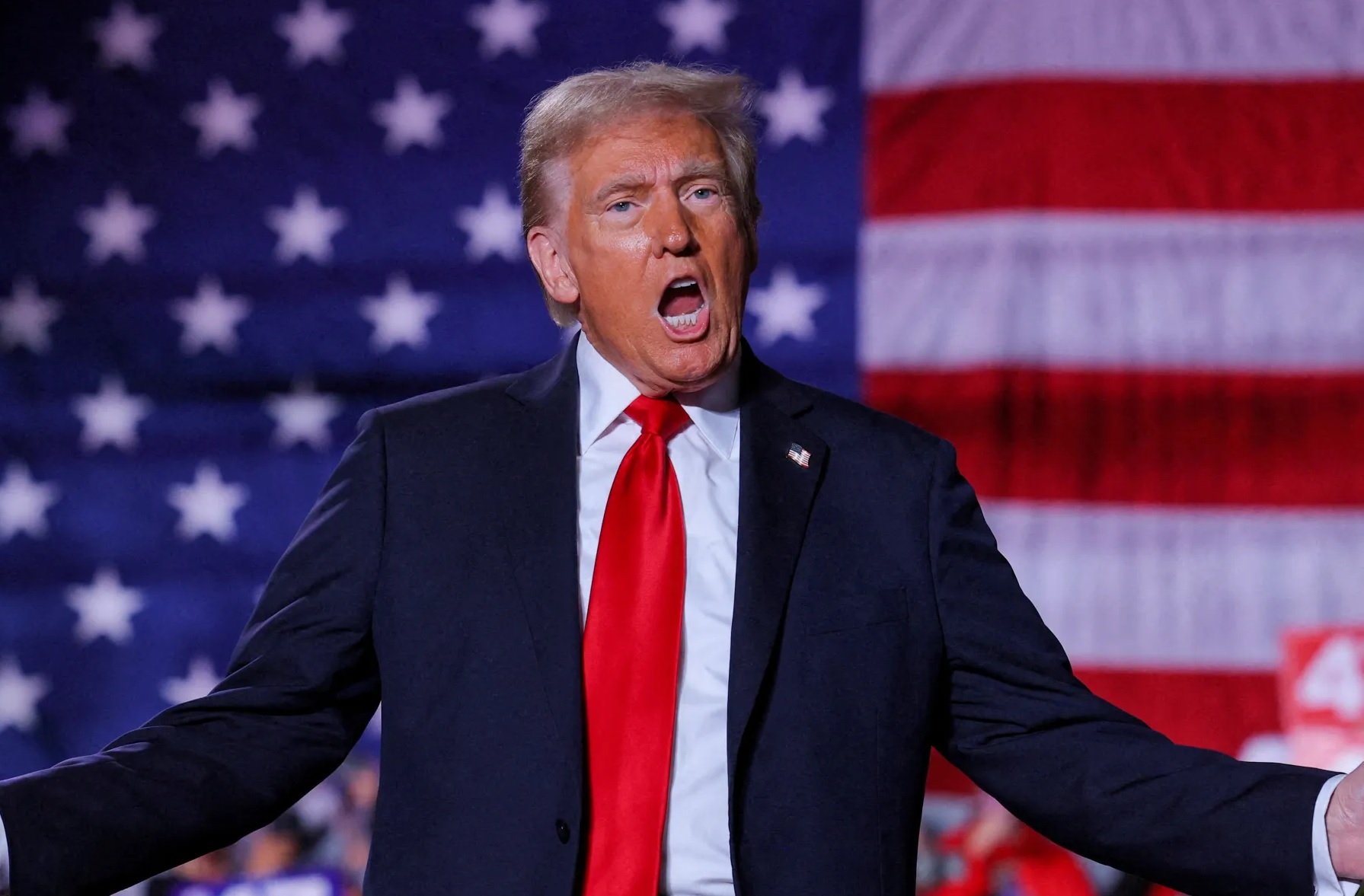
US President Donald Trump said on Friday that he would soon make a final decision on a proposal to extend the ceasefire with Iran for another 60 days. The proposed extension is intended to give diplomats and negotiators more time to continue discussions and work toward a long-term settlement. Officials hope a permanent agreement could reduce tensions in the Middle East and bring greater stability to the region.
Trump held a high-level meeting with senior administration officials in the White House Situation Room to review the latest developments in the negotiations. The meeting reportedly lasted several hours and included discussions on security, economic, and diplomatic issues related to the proposed agreement. Despite the lengthy talks, no official announcement was made, suggesting that important decisions are still under consideration.
According to sources familiar with the negotiations, both Washington and Tehran believe a deal is possible. However, major disagreements continue to stand in the way of a final agreement. The United States is demanding clear guarantees that Iran will never develop nuclear weapons. Washington is also seeking the immediate reopening of the Strait of Hormuz to unrestricted international shipping.
Iran has rejected parts of those demands and insists that any future arrangement must respect its national interests and regional sovereignty. Iranian officials have stated that discussions should focus mainly on maritime and economic matters rather than concentrating heavily on the country’s nuclear program. Tehran believes that broader economic cooperation and regional stability should be given greater priority during the negotiations.
The Strait of Hormuz remains one of the most important shipping routes in the world. A significant percentage of global oil exports pass through the narrow waterway every day. Any disruption to shipping traffic in the area can quickly affect international energy markets and increase oil prices. Recent tensions have already contributed to higher fuel costs and growing uncertainty across global markets.
Iran is reportedly seeking relief from economic sanctions that have placed significant pressure on its economy. The country is also requesting access to frozen financial assets held abroad, along with broader economic concessions. Unconfirmed reports suggest that discussions may include the release of billions of dollars in Iranian funds currently restricted in foreign accounts.
The ongoing conflict has created economic challenges far beyond the Middle East. Rising fuel prices and supply chain disruptions have increased costs for businesses and governments around the world. Consumers in many countries are also paying more for transportation, energy, and essential goods, adding pressure to household budgets.
Several major international economic institutions have expressed concern about the impact of the crisis on the global economy. Leaders of the International Monetary Fund, World Bank, World Trade Organization, and International Energy Agency have warned that continued instability in the region could weaken energy supplies and slow economic growth. They noted that vulnerable economies are facing the greatest risks from prolonged disruptions.
Experts also warn that if shipping routes remain affected for an extended period, global oil inventories could decline further. Such a development could increase risks to fuel security, market stability, and economic growth worldwide. As energy demand rises during the summer months, governments and businesses will be closely watching the outcome of the negotiations between the United States and Iran.
For now, the world is waiting for President Trump’s decision on the proposed ceasefire extension. While both sides appear interested in reaching an agreement, important differences remain unresolved. The coming days could prove critical in determining whether a new deal is achieved and whether tensions in the region begin to ease.