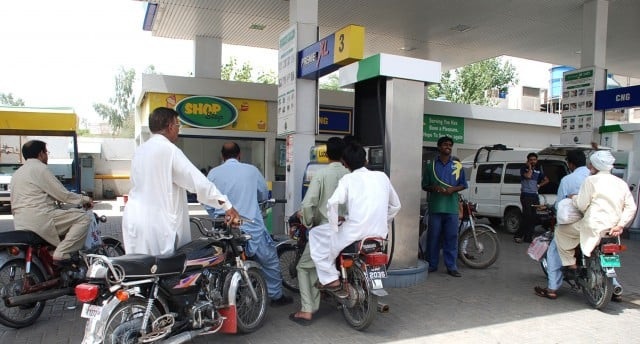
The government has completed development of a mobile app–based fuel quota system aimed at providing targeted subsidies to motorcycles and rickshaws. The plan may later extend to small vehicles up to 800cc, subject to approval by the cabinet committee.
Officials say the system is designed to reduce the burden on low-income groups while also helping control overall fuel consumption through price-based signals.
System development and coordination
The Oil and Gas Regulatory Authority Oil and Gas Regulatory Authority worked with the Ministries of Finance, Petroleum, and Information Technology to test and finalise the platform.
These ministries include the Ministry of Finance, the Ministry of Petroleum, and the Ministry of Information Technology. They collaborated to ensure the system is functional, transparent, and scalable.
Officials confirmed that the cabinet committee will take the final decision on whether small cars will be added to the subsidy scheme.
How the mobile app system will work
Consumers will generate digital fuel vouchers through the mobile app. Each voucher will link to the vehicle’s registration and the user’s CNIC.
Fuel retailers will verify these vouchers using dedicated devices at petrol stations. The government will require stations to reserve specific dispensers for subsidised fuel to avoid misuse and ensure smooth distribution.
The system follows a model similar to the Ramazan Package, focusing on automation, monitoring, and transparency.
Retailer setup and monitoring
The Ministry of Information Technology has coordinated with mobile device manufacturers to provide specialised devices to fuel stations. Retailers may bear part of the cost, which will be deposited into government accounts.
Oil marketing companies will assign focal persons to each retail outlet. These representatives will monitor operations and handle complaints to keep the system running efficiently.
Economic context and fuel pressures
Pakistan Pakistan is currently facing fiscal pressure due to stable fuel prices amid rising global oil costs. Officials estimate that maintaining current prices may cost around Rs70 billion over a two-week period.
Rising global oil prices have been influenced by geopolitical tensions and disruptions in shipping routes, including the Strait of Hormuz Strait of Hormuz, a key passage for global oil trade.
Expected benefits and earlier measures
The government expects the subsidy system to provide relief to motorcycle and rickshaw users, who are among the most affected by fuel price changes.
Petroleum Division Secretary Hamed Yaqoob Shaikh Hamed Yaqoob Shaikh told lawmakers that the initiative aims to cushion the impact of rising fuel costs. He also noted that similar relief efforts have already been introduced in Khyber Pakhtunkhwa Khyber Pakhtunkhwa.
The final rollout will depend on cabinet approval and the readiness of the supporting infrastructure across fuel stations.