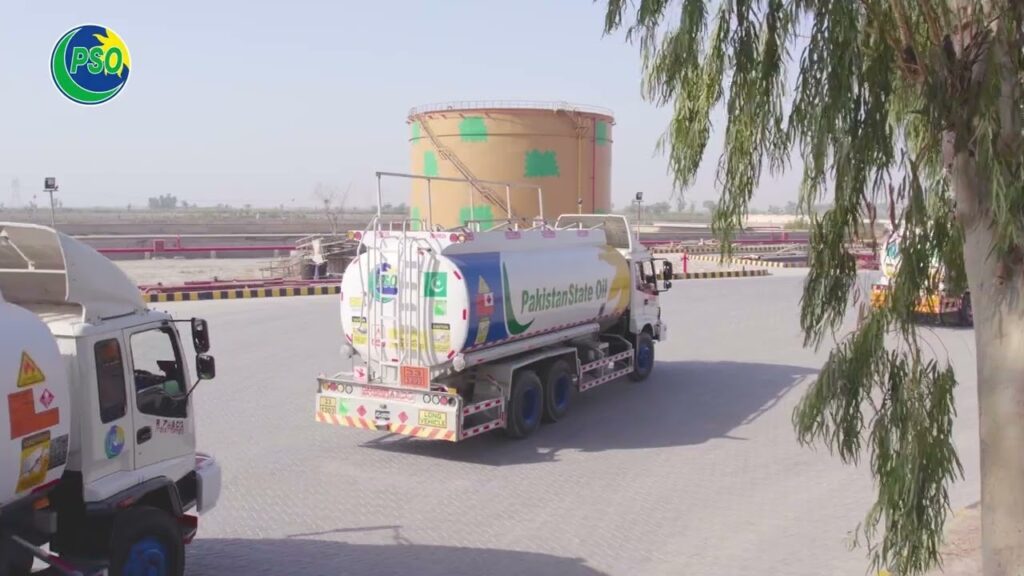
Pakistan announced on Saturday that support from Saudi Arabia and alternative shipping routes is helping sustain fuel imports. This comes as the ongoing conflict involving Iran, the United States, and Israel has triggered a sharp global oil shock.
The crisis caused crude oil prices to rise dramatically, from around $70 per barrel in late February to $160–170 recently. These surging prices have disrupted global supply chains and raised concerns for countries like Pakistan, which rely heavily on imported fuel.
Rising Prices Hit Consumers Hard
Earlier this month, Pakistan increased petrol and diesel prices by nearly Rs55 ($0.20) per liter. Fuel prices now exceed Rs320 ($1.14) per liter. The hike has also pushed inflation higher, affecting transport, food, and retail sectors.
Iran Strikes Towns Near Israel’s Nuclear Site, Over 100 Injured
To manage the impact, the government introduced several austerity measures. Schools will remain closed for two weeks. Fuel allocations for government vehicles have been cut by 50 percent. Public offices are moving to shorter workweeks and allowing remote work, and official travel has been minimized.
Alternative Supply Routes Keep Fuel Flowing
Petroleum Minister Ali Pervaiz Malik said Saudi Arabia continues to supply oil through alternative routes. These shipments bypass traditional Gulf transit chokepoints. Pakistan also receives fuel via ports such as Yanbu and Fujairah.
Malik emphasized that the government prioritizes maintaining fuel supply even as prices soar globally. Authorities partially adjusted prices earlier, while absorbing further increases to reduce the burden on consumers before Eid.
Government Cuts to Cushion Impact
The minister noted the government is also cutting internal expenditures. Reducing fuel use and official spending helps cushion Pakistan’s economy from the global price shock.
Analysts warn that Pakistan’s dependence on imported fuel leaves it vulnerable to external shocks. Geopolitical instability in the Middle East, a major source of the country’s energy, can quickly affect supply and costs.
Broader Regional Concerns
The ongoing conflict has disrupted maritime routes and increased risks along key oil corridors. Countries across Asia are exploring alternative supply chains and conservation measures. Pakistan’s use of multiple ports and alternative routes shows how nations can adapt to global energy disruptions.