
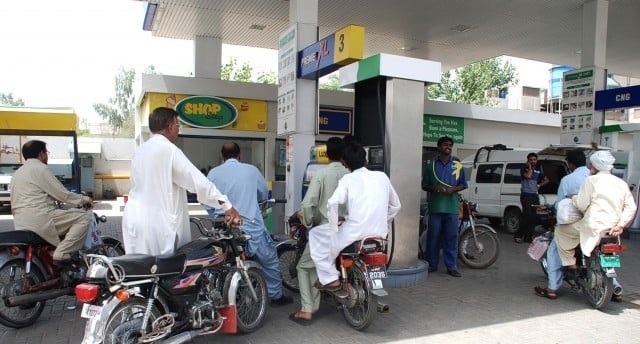
The government has reduced the price of petrol by Rs4 per litre for the week ending June 12. The new prices took effect immediately. High-speed diesel (HSD) prices were kept unchanged.
After the latest cut, petrol now costs Rs377.79 per litre, down from Rs381.78. Diesel will remain at Rs380.78 per litre for another week. The government adjusted taxes and other charges to avoid a change in diesel prices.
Fourth Straight Cut in Petrol Price
This is the fourth week in a row that petrol prices have been reduced. The total drop over this period is around Rs37 per litre. Last week alone, petrol and diesel prices were cut by Rs22 per litre, showing a downward trend linked to global oil prices.
Diesel Prices Also Down From Recent Peak
Although unchanged this week, diesel prices have fallen significantly in recent months. High-speed diesel had reached a peak of Rs520.35 per litre on April 10, before coming down gradually. Diesel is considered the most important fuel for inflation because it is widely used in:
- freight transport
- agriculture
- goods delivery

Heavy Taxes on Fuel
Fuel prices in Pakistan include a large tax component. On high-speed diesel, the government collects around Rs100 per litre through:
- petroleum levy
- customs duty
- climate support levy
- freight adjustment margins
For petrol, total taxes are even higher at about Rs125 per litre.
Kerosene and light diesel oil also carry levies of around Rs21 and Rs16 per litre, respectively.
Why Diesel Matters More for Inflation
Diesel plays a key role in the economy. Monthly sales of petrol and diesel are around 700,000 to 800,000 tonnes. In contrast, kerosene demand is very small, at only about 10,000 tonnes per month. Because diesel powers transport and supply chains, any change in its price directly affects the cost of food and other goods.
Outlook
The recent price cuts reflect lower global oil prices and currency adjustments. However, fuel prices in Pakistan remain heavily dependent on international markets and taxation policies. Even small changes in global crude oil prices can quickly affect domestic rates in the coming weeks.